

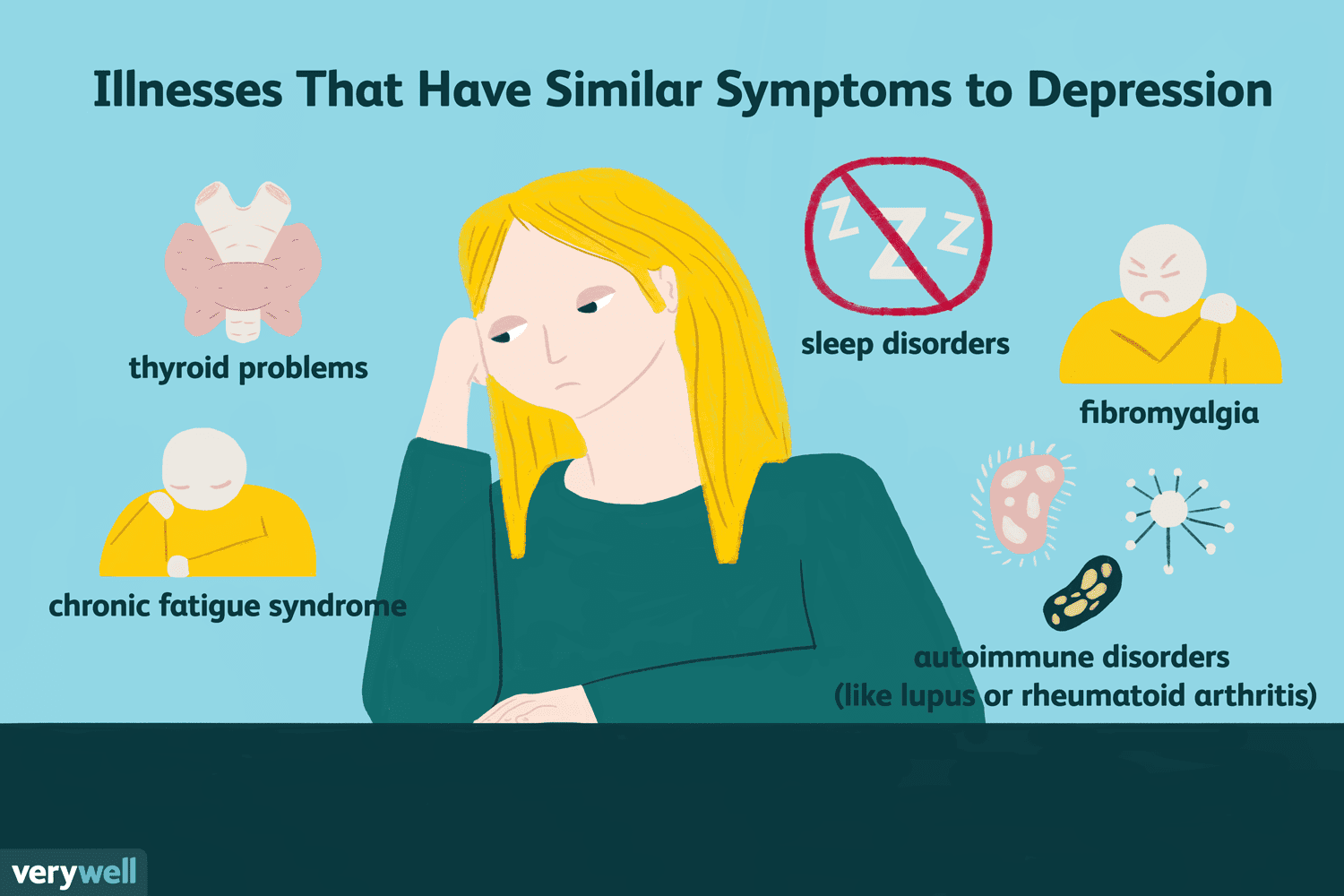
Getting enough sleep is supposed to help your body feel refreshed and energized, but many people still wake up feeling tired, weak, and mentally drained. This frustrating problem can affect productivity, mood, focus, and overall health. While poor sleep quality is often blamed, several hidden factors may also contribute to constant fatigue even after sleeping for seven to eight hours. Understanding the real reasons behind body weakness can help you improve your energy levels naturally and maintain better physical and mental wellness.
Hidden Health Reasons Behind Constant Weakness
Nutrient Deficiencies Can Drain Your Energy
One of the most common reasons your body feels weak after enough sleep is a lack of essential nutrients. Deficiencies in iron, vitamin D, vitamin B12, and magnesium can reduce energy production in the body and lead to fatigue. Iron deficiency, for example, lowers oxygen flow to muscles and tissues, making you feel exhausted throughout the day. Even if you sleep properly, your body may still struggle to function efficiently without proper nutrition. Eating a balanced diet with fruits, vegetables, protein, and healthy fats can help restore natural energy levels.
Poor Sleep Quality Affects Body Recovery
Sleeping for many hours does not always mean your body is getting quality rest. Interrupted sleep, sleep apnea, stress-related waking, or excessive screen time before bed can reduce deep sleep cycles. Deep sleep is important because it allows the body to repair muscles, balance hormones, and restore energy. If your sleep quality is poor, you may wake up feeling weak and sluggish despite spending enough time in bed. Improving bedtime habits and maintaining a healthy sleep schedule can support better recovery and reduce daytime fatigue.
Chronic Stress Can Cause Physical Exhaustion
Mental stress affects the body more than many people realize. Long-term stress increases cortisol levels, which can lead to body weakness, headaches, low motivation, and constant tiredness. Even after sleeping well, your nervous system may remain overactive due to anxiety or emotional pressure. Stress can also disturb digestion, hormone balance, and immune function, all of which influence daily energy. Relaxation techniques such as meditation, exercise, and reducing screen exposure can help lower stress and improve overall vitality.
Lifestyle Habits That Make You Feel Tired
Lack of Physical Activity Reduces Stamina
Many people believe resting more will improve weakness, but too little movement can actually lower energy levels. A sedentary lifestyle slows blood circulation, weakens muscles, and reduces stamina over time. Regular physical activity helps improve oxygen flow, strengthen the heart, and increase natural energy production. Even simple activities like walking, stretching, or light exercise can make a noticeable difference. Staying physically active is one of the best ways to fight weakness and improve long-term health naturally.
Dehydration Can Trigger Fatigue and Weakness
Not drinking enough water can leave your body feeling tired even after proper sleep. Dehydration affects blood circulation, brain function, and muscle performance, making daily tasks feel more exhausting. Many people ignore mild dehydration because symptoms develop slowly. Dry skin, headaches, dizziness, and low concentration often appear along with fatigue. Drinking enough water throughout the day supports energy production, digestion, and temperature regulation. Proper hydration is essential for maintaining physical strength and mental clarity.
Unhealthy Eating Habits Lower Energy Levels
Your body depends on food for fuel, and unhealthy eating patterns can cause weakness regardless of sleep duration. Skipping meals, eating too much processed food, or consuming excessive sugar can create sudden energy crashes. Refined carbohydrates and sugary snacks may provide temporary energy but often lead to tiredness later. A balanced diet with protein, fiber, healthy fats, and complex carbohydrates helps maintain stable energy throughout the day. Good nutrition works together with quality sleep to support a stronger and healthier body.
Medical Conditions Linked to Persistent Weakness
Thyroid Problems Can Slow Down the Body
An underactive thyroid, also known as hypothyroidism, can make the body feel constantly weak and tired. The thyroid gland controls metabolism, energy production, and body temperature. When it does not function properly, people often experience fatigue, weight gain, slow thinking, and muscle weakness. Many individuals ignore these symptoms because they develop gradually over time. Medical testing and proper treatment can help restore hormone balance and improve daily energy levels significantly.
Blood Sugar Imbalance Affects Daily Energy
Blood sugar fluctuations can also explain why your body feels weak after enough sleep. When blood sugar levels rise and fall too quickly, the body struggles to maintain stable energy. This commonly happens with poor dietary habits, insulin resistance, or diabetes. Symptoms may include dizziness, tiredness, hunger, and difficulty concentrating. Managing blood sugar through healthy eating, regular exercise, and medical guidance can help prevent fatigue and support more consistent energy throughout the day.
Depression and Anxiety May Cause Fatigue
Mental health conditions like depression and anxiety can have a strong physical impact on the body. People dealing with emotional stress often feel exhausted even after sleeping for long hours. Depression may reduce motivation and energy, while anxiety keeps the nervous system active and prevents proper relaxation. These conditions can also affect appetite, focus, and sleep quality. Seeking emotional support, therapy, or healthy lifestyle changes can improve both mental health and physical energy over time.
FAQs
Why do I still feel weak after sleeping 8 hours?
Poor sleep quality, stress, dehydration, or nutrient deficiencies may cause weakness even after enough sleep.
Can vitamin deficiency make my body feel tired?
Yes, deficiencies in iron, vitamin D, and vitamin B12 commonly lead to fatigue and low energy.
Does dehydration cause body weakness?
Yes, dehydration reduces blood flow and energy production, leading to tiredness and weakness.
Can stress make me feel physically exhausted?
Chronic stress increases cortisol levels and can cause constant mental and physical fatigue.
When should I see a doctor for constant weakness?
You should consult a doctor if weakness continues for several weeks or affects daily activities.
Conclusion
Feeling weak even after getting enough sleep is often linked to deeper health or lifestyle factors rather than sleep duration alone. Poor nutrition, stress, dehydration, low physical activity, and certain medical conditions can all reduce energy levels and affect overall wellness. Identifying the root cause is important for improving both physical strength and mental focus. By maintaining healthy habits, managing stress, staying active, and seeking medical advice when needed, you can support better energy levels and help your body feel refreshed naturally every day.
